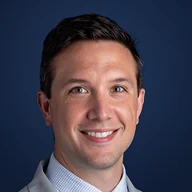
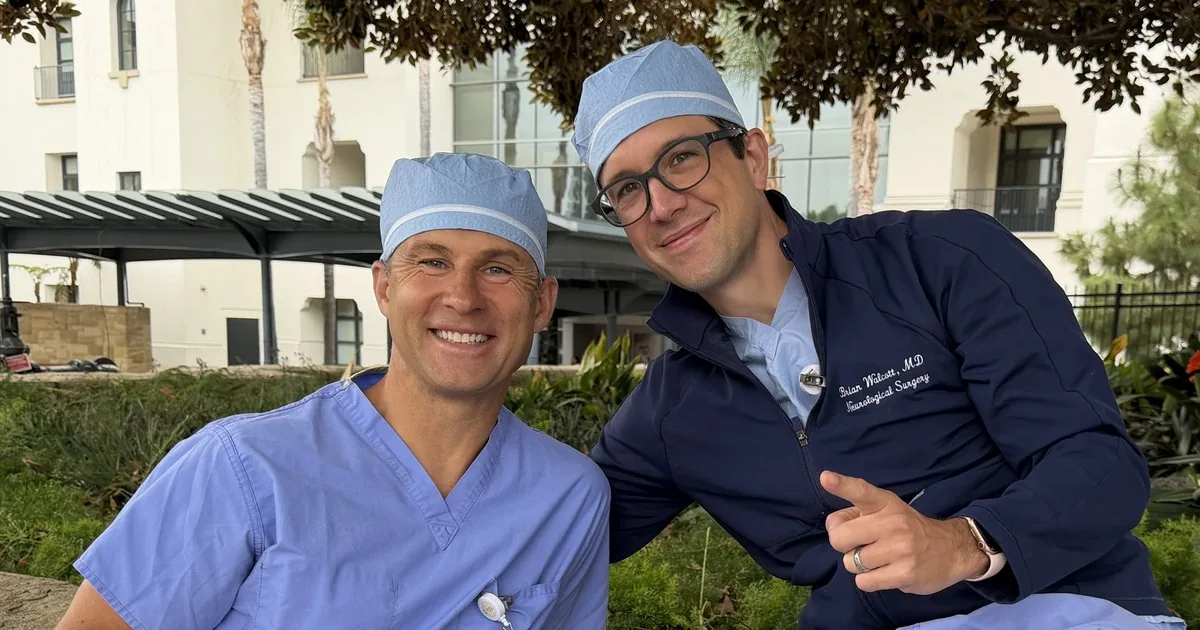
Neurosurgery gets portrayed as a solo act. One surgeon, one operating room, one outcome. The reality is that the best results come from a team, and I want to introduce you to a critical member of mine.
David A. Barsky, MS, PA-C, is a certified physician assistant with more than two decades of experience in high-acuity emergency and surgical care. He trained at Mercy College in New York, where he earned his Master of Science in Physician Assistant Studies, after completing his biology degree at Keene State College in New Hampshire. Before joining my team, he built his career in the Department of Emergency Medicine at Santa Barbara Cottage Hospital and as a surgical physician assistant in orthopedics and hand surgery. That background matters. Emergency medicine teaches you to recognize a patient in trouble fast. Surgical assisting teaches you precision and anticipation. David brings both to every patient we care for together.
Here is what our partnership looks like in practice, and why it benefits you.
In the Clinic
When you come to see us, you get two sets of experienced eyes on your imaging, your history, and your questions. David knows our patients well, which means your follow-up visits have continuity. You are never starting from scratch with a stranger.
In the Operating Room
David is my first assistant. During surgery, he is across the table from me, anticipating the next move. A first assistant with decades of surgical experience makes the operation smoother and more efficient, and efficiency in the operating room translates directly to safety.
Before and After Surgery
Preparing for brain surgery is a process, and so is recovering from it. David helps make sure nothing falls through the cracks: preoperative preparation, postoperative checks, wound care, and the dozens of small questions that come up in the days after an operation. When patients call, they reach someone who was in the room.
In the ICU
After complex surgery, the first days matter enormously. David rounds with me in the intensive care unit, where his emergency medicine background shows. He recognizes subtle changes early, and early recognition is everything in neurocritical care.
In the Cath Lab
For our endovascular procedures, aneurysm treatments, stroke interventions, and diagnostic angiograms, David is there as well. The same team that sees you in clinic is the team beside you for your procedure.
Colleagues and patients alike know David for his bedside manner and his collaborative approach, and I know him as the person I trust across the table.
Great outcomes are built by teams. I'm proud of ours.