I was looking at a Sundt clip in my office today, holding a piece of neurosurgical history. This device represents an era where the primary solution for a blister defect was to wrap it from the outside-in. It was an encircling mechanical reinforcement that was robust, and at times, constricting.
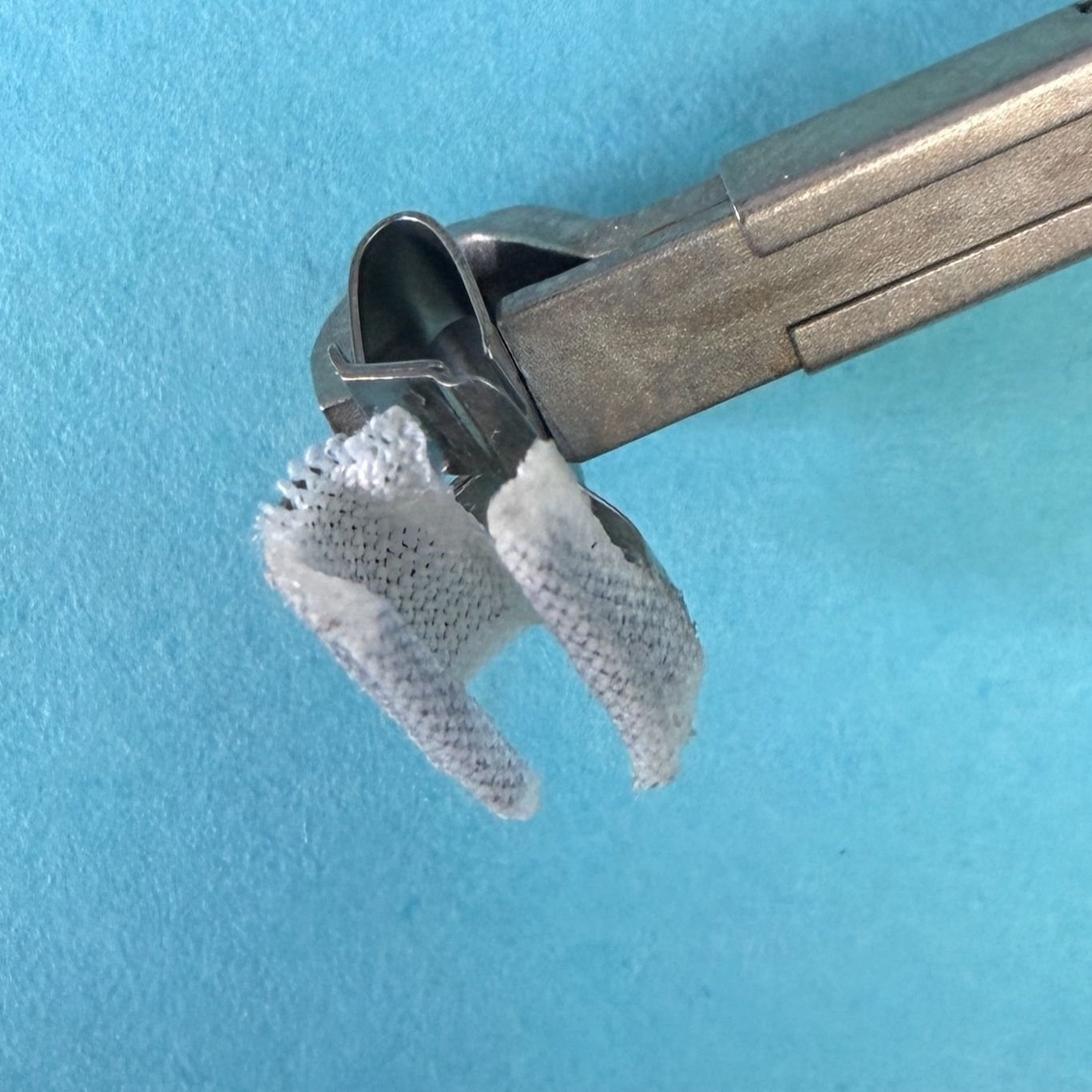
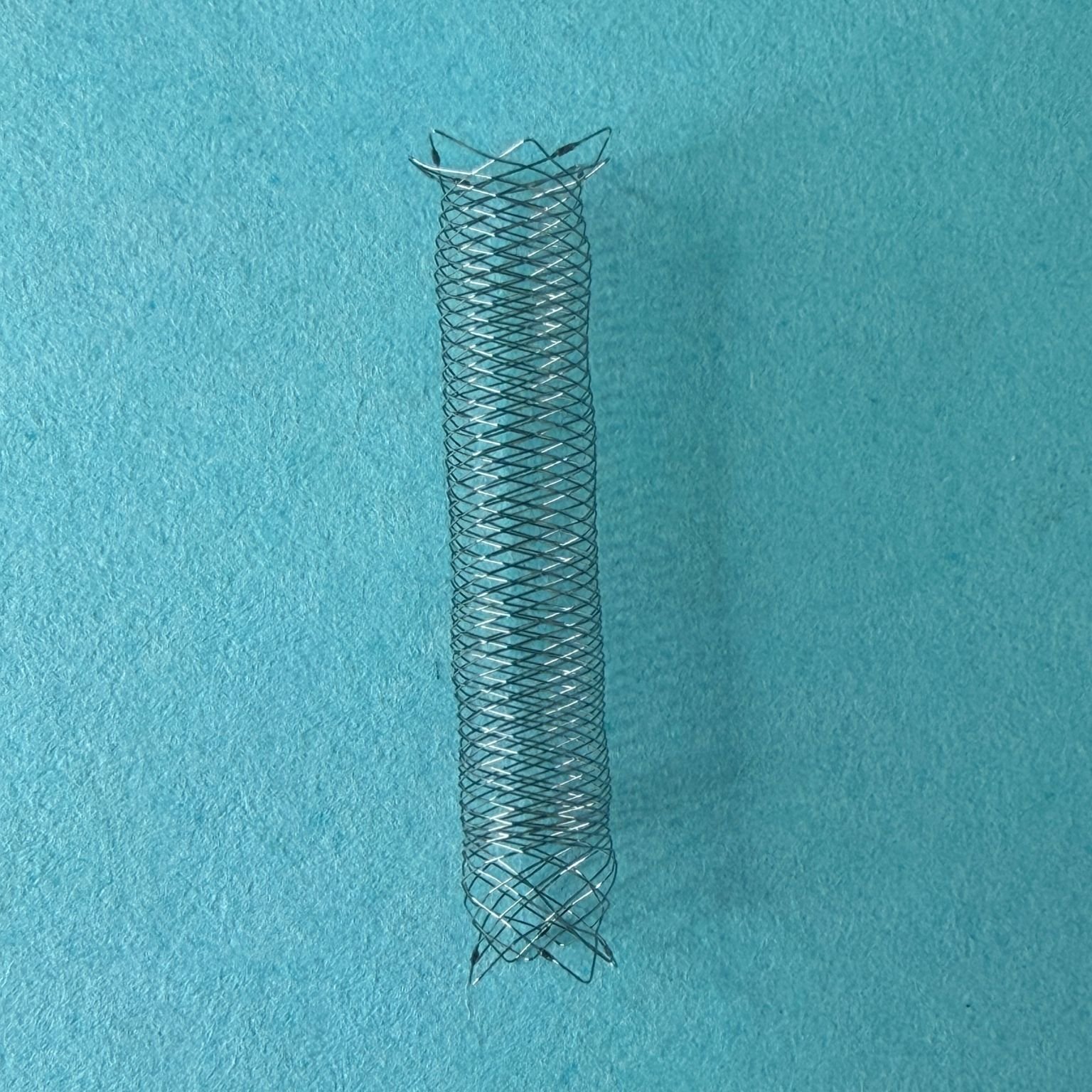
Left: A Sundt encircling clip. Right: A modern flow diverting stent.
Modern neurosurgery has completely inverted this logic. We have moved from the outside-in to the inside-out approach.
With flow diverting stents, we are no longer clamping the exterior. Instead, we place micro-scaffolding inside the vessel itself. This redirects blood flow and encourages the endothelial layer to repair.
This shift represents more than just a new tool; it is a change in concept. We are moving away from purely mechanical fixation toward facilitating biological repair.
What Comes Next?
It makes me wonder what the standard of care will look like another 20 years from now. We went from open clips to endovascular scaffolds. Will we be deploying stem cells or some sort of bioinductive material next?
I'm curious to hear — what do you see as the next major technological breakthrough in neurovascular disease?